I am a private mediator. I work where the matter warrants a careful neutral.
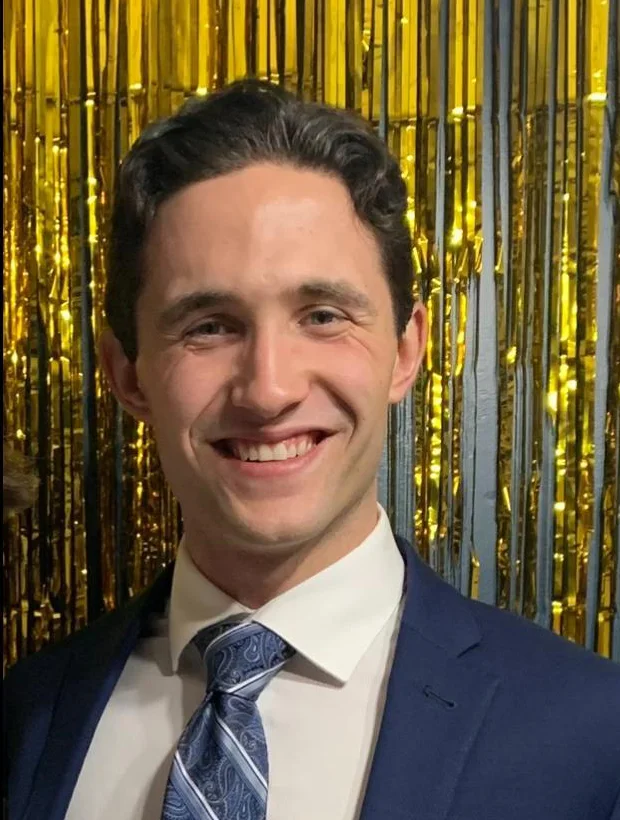
My practice is preparation-led. Every engagement begins before the parties sit down.
I am a mediator based in Falmouth, Nova Scotia, across the Avon River from Windsor. I hold the Q.Med (Qualified Mediator) designation of the ADR Institute of Canada. I mediate family, business, workplace, estate and board matters, in person across Hants County, the Annapolis Valley and Halifax, and online.
I work directly with the people in a dispute, and with their lawyers when they have them. Most share two things: a matter that warrants careful handling, and an interest in keeping the result theirs to author.
I read every brief that comes in and take a pre-mediation call with each side’s counsel; by the time parties convene, the working theory is on the page. The day itself is unglamorous in the best way: short opening, sustained caucus, careful drafting, and a term sheet signed before anyone leaves the room.
The file does not close at five o’clock. If a deal is not reached, I remain engaged for follow-up calls and a mediator’s proposal where appropriate. If a deal is reached, I stay available through the long-form drafting window.
Designation and practice.
Q.Med is the Qualified Mediator designation of the ADR Institute of Canada, offered in this region through ADR Atlantic Institute. A detailed CV is available on request.
- Designation Q.Med (Qualified Mediator), ADR Institute of Canada
- Practice areas Family, business and contract, workplace, wills and estates, and board and governance.
- Languages English
- Based in Falmouth, Nova Scotia
- Where I meet In person in Windsor and Falmouth, in the Annapolis Valley and Halifax by arrangement, or online. See where I meet.
- Format In person, online, or hybrid. Matters outside Nova Scotia by arrangement.
Five working principles.
-
Prepare before the room.
Briefs are read in advance. Pre-mediation calls are taken with each side’s counsel. By the time parties convene, the working theory is on the page.
-
Listen first.
Senior neutrals do less speech-making and more listening. The first hour is for understanding what each side actually needs.
-
Hold caucus information carefully.
What is told to me in caucus stays in caucus. Authority to share is requested explicitly, never assumed.
-
Draft before parties leave.
A signed term sheet on the day of mediation is the durable form of agreement. Long-form drafting follows in the week after.
-
Stay available afterward.
Where settlement is not reached on the day, I remain available for follow-up, a mediator’s proposal, and reconvening where useful.